Jerusalem

Persian Period and the Return to Zion

In 539 BCE the Persian period began after the Babylonian Empire was defeated by King Cyrus of Persia. One year later, Cyrus allowed the Jews to return to their land. They were led by Zerubabel son of Shealtiel – who was a descendent of the kings of Judah – Sheshbazzar the Prince and Jeshua son of Jehozadak the High Priest. Thus began the period of the Return to Zion, and in 516 BCE the Temple was dedicated.

In the mid-fifth century BCE, decades after the Return to Zion had begun, Ezra the scribe came to the land, and after him, Nehemiah, who was a high-level official in the Persian kingdom. With them came many more Jews. During the time of Ezra and Nehemiah a wall was built around Jerusalem, which at that time encompassed only the City of David hill and Mount Moriah.

READ MORE
539-332 BCE
538 BCE, 516 BCE

The Proclamation of Cyrus (538 BCE) and the Dedication of the Second Temple (515 BCE)

175 BCE–164 BCE

Antiochus IV Epiphanes and the Akra Fortress in Jerusalem

Third Century BCE

The Hellenistic Period (Third Century BCE): Grandeur and Beauty

444 BCE

Nehemiah Builds the Walls of Jerusalem

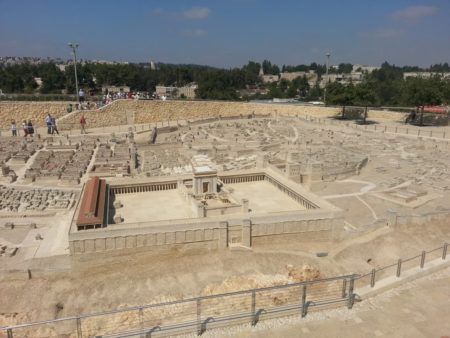
Restoration of Herod's Temple, form the Holyland Model in the Israel Museum. Photo by Yehuda, via Wikimedia Commons
19 BCE

Herod Rebuilds the Temple Mount and the Temple

70 CE

A Tax from the Time of the Temple: the Half-Shekel Coin

The Stones that Struck the Walls: Ballista Stones from the Siege on Jerusalem

70 CE

Testimony Burned in Stone: the Destruction of Jerusalem in 70 CE

70 CE

Heaps of Destruction at the Foot of the Temple Mount

70 CE

Names of the Destroyers of Jerusalem found in the City

19 BCE

The Temple and the Sabbath Day

19 BCE

Inscription Prohibiting Entry to the Temple Mount

19 BCE

Through Tunnels under the Temple

19 BCE

The Tomb of the Sons of Hezir: the Priests Buried Opposite the Temple Mount

63 BCE - 66 CE

The Tomb Monument of Zechariah: the Priest who was Murdered in the Temple

63 BCE - 66 CE

The End of the Second Temple Period: Absalom’s Tomb

63 BCE - 66 CE

The Pilgrimage Road from the Pool of Shiloah to the Temple Mount

63 BCE - 66 CE

After 2,000 Years: the Sound of a Golden Bell

63 BCE - 66 CE

“Purity Broke Out in Israel”

63 BCE - 66 CE

Two Birds for Sacrifice

Third Century BCE

The Struggle between the Hasmoneans and the Seleucids: Finds from the Givati Parking Lot

Approximately 100 BCE

Mass Grave in the Russian Compound

אמת המים החשמונאית בארמון הנציב. ארכיון עיר דוד. צילום אורן כהן.
Approximately 100 BCE

Water to Jerusalem: the Hasmonean Tunnel on Government House Hill

Hellenistic and Hasmonean Periods

The Hellenistic period began with the conquest of the country by Alexander the Great in 332 BCE. Immediately after Alexander’s death wars began among his successors. Between 300 and 200 BCE the country was ruled by the Ptolomaic dynasty of Egypt, and in the second century BCE control passed to the Seleucid dynasty of Syria.

Religious persecution of the Jews led to the Hasmonean (Maccabean) revolt in 167 BCE, following which the Hasmonean kingdom was gradually established. The success of the Hasmonean rebellion is commemorated to this day by the festival of Hanukkah. When the land was conquered by the Romans in 63 BCE, the Hasmonean kingdom came under the aegis of Rome.

READ MORE
332-63 BCE
538 BCE, 516 BCE

The Proclamation of Cyrus (538 BCE) and the Dedication of the Second Temple (515 BCE)

175 BCE–164 BCE

Antiochus IV Epiphanes and the Akra Fortress in Jerusalem

Third Century BCE

The Hellenistic Period (Third Century BCE): Grandeur and Beauty

444 BCE

Nehemiah Builds the Walls of Jerusalem

Restoration of Herod's Temple, form the Holyland Model in the Israel Museum. Photo by Yehuda, via Wikimedia Commons
19 BCE

Herod Rebuilds the Temple Mount and the Temple

70 CE

A Tax from the Time of the Temple: the Half-Shekel Coin

The Stones that Struck the Walls: Ballista Stones from the Siege on Jerusalem

70 CE

Testimony Burned in Stone: the Destruction of Jerusalem in 70 CE

70 CE

Heaps of Destruction at the Foot of the Temple Mount

70 CE

Names of the Destroyers of Jerusalem found in the City

19 BCE

The Temple and the Sabbath Day

19 BCE

Inscription Prohibiting Entry to the Temple Mount

19 BCE

Through Tunnels under the Temple

19 BCE

The Tomb of the Sons of Hezir: the Priests Buried Opposite the Temple Mount

63 BCE - 66 CE

The Tomb Monument of Zechariah: the Priest who was Murdered in the Temple

63 BCE - 66 CE

The End of the Second Temple Period: Absalom’s Tomb

63 BCE - 66 CE

The Pilgrimage Road from the Pool of Shiloah to the Temple Mount

63 BCE - 66 CE

After 2,000 Years: the Sound of a Golden Bell

63 BCE - 66 CE

“Purity Broke Out in Israel”

63 BCE - 66 CE

Two Birds for Sacrifice

Third Century BCE

The Struggle between the Hasmoneans and the Seleucids: Finds from the Givati Parking Lot

Approximately 100 BCE

Mass Grave in the Russian Compound

אמת המים החשמונאית בארמון הנציב. ארכיון עיר דוד. צילום אורן כהן.
Approximately 100 BCE

Water to Jerusalem: the Hasmonean Tunnel on Government House Hill

Destruction of the Second Temple

With the outbreak of the Great Revolt against the Romans in 66 CE, a huge Roman army reached the country (at its height, it numbered some 60,000 warriors), bent on cruelly crushing the revolt. In the following years the entire country was conquered by the Romans and in the Hebrew month of Nissan, 70 CE, the siege of Jerusalem began.
In the month of Av, the Romans under the command of Titus set fire to the Temple and a month later they destroyed Jerusalem’s upper city, which faced the Temple Mount. Thus the Second Temple period, which had lasted for almost 600 years, came to an end.

READ MORE
66-70 CE
538 BCE, 516 BCE

The Proclamation of Cyrus (538 BCE) and the Dedication of the Second Temple (515 BCE)

175 BCE–164 BCE

Antiochus IV Epiphanes and the Akra Fortress in Jerusalem

Third Century BCE

The Hellenistic Period (Third Century BCE): Grandeur and Beauty

444 BCE

Nehemiah Builds the Walls of Jerusalem

Restoration of Herod's Temple, form the Holyland Model in the Israel Museum. Photo by Yehuda, via Wikimedia Commons
19 BCE

Herod Rebuilds the Temple Mount and the Temple

70 CE

A Tax from the Time of the Temple: the Half-Shekel Coin

The Stones that Struck the Walls: Ballista Stones from the Siege on Jerusalem

70 CE

Testimony Burned in Stone: the Destruction of Jerusalem in 70 CE

70 CE

Heaps of Destruction at the Foot of the Temple Mount

70 CE

Names of the Destroyers of Jerusalem found in the City

19 BCE

The Temple and the Sabbath Day

19 BCE

Inscription Prohibiting Entry to the Temple Mount

19 BCE

Through Tunnels under the Temple

19 BCE

The Tomb of the Sons of Hezir: the Priests Buried Opposite the Temple Mount

63 BCE - 66 CE

The Tomb Monument of Zechariah: the Priest who was Murdered in the Temple

63 BCE - 66 CE

The End of the Second Temple Period: Absalom’s Tomb

63 BCE - 66 CE

The Pilgrimage Road from the Pool of Shiloah to the Temple Mount

63 BCE - 66 CE

After 2,000 Years: the Sound of a Golden Bell

63 BCE - 66 CE

“Purity Broke Out in Israel”

63 BCE - 66 CE

Two Birds for Sacrifice

Third Century BCE

The Struggle between the Hasmoneans and the Seleucids: Finds from the Givati Parking Lot

Approximately 100 BCE

Mass Grave in the Russian Compound

אמת המים החשמונאית בארמון הנציב. ארכיון עיר דוד. צילום אורן כהן.
Approximately 100 BCE

Water to Jerusalem: the Hasmonean Tunnel on Government House Hill

Early Roman period

In 63 BCE, when the Hasmoneans were fighting with each other to rule, the land was conquered by the Roman general Pompey, who was invited by the warring parties to judge between them. Thus began the Early Roman period in this country; from then on the Hasmoneans were under Roman authority.

In 37 BCE Herod the Great began to rule under the aegis of Rome, and he beautified Jerusalem and the Temple Mount. When he died, his son Archelaeus was made king of Judea, but then the Romans removed him from power. From 6 BCE to 41 CE, Roman governors ruled Judea.

In 41 BCE, Agrippa, grandson of Herod the Great was granted rule over Judea and reigned until 44 CE. When he died, Rome once again took over through its governors. Roman oppression and Jewish anticipation of redemption led to the outbreak of the Great Revolt of the Jews against the Romans, which ended with the destruction of the Temple in the Hebrew month of Av, 70 CE.

READ MORE
63 BCE – 66 CE
538 BCE, 516 BCE

The Proclamation of Cyrus (538 BCE) and the Dedication of the Second Temple (515 BCE)

175 BCE–164 BCE

Antiochus IV Epiphanes and the Akra Fortress in Jerusalem

Third Century BCE

The Hellenistic Period (Third Century BCE): Grandeur and Beauty

444 BCE

Nehemiah Builds the Walls of Jerusalem

Restoration of Herod's Temple, form the Holyland Model in the Israel Museum. Photo by Yehuda, via Wikimedia Commons
19 BCE

Herod Rebuilds the Temple Mount and the Temple

70 CE

A Tax from the Time of the Temple: the Half-Shekel Coin

The Stones that Struck the Walls: Ballista Stones from the Siege on Jerusalem

70 CE

Testimony Burned in Stone: the Destruction of Jerusalem in 70 CE

70 CE

Heaps of Destruction at the Foot of the Temple Mount

70 CE

Names of the Destroyers of Jerusalem found in the City

19 BCE

The Temple and the Sabbath Day

19 BCE

Inscription Prohibiting Entry to the Temple Mount

19 BCE

Through Tunnels under the Temple

19 BCE

The Tomb of the Sons of Hezir: the Priests Buried Opposite the Temple Mount

63 BCE - 66 CE

The Tomb Monument of Zechariah: the Priest who was Murdered in the Temple

63 BCE - 66 CE

The End of the Second Temple Period: Absalom’s Tomb

63 BCE - 66 CE

The Pilgrimage Road from the Pool of Shiloah to the Temple Mount

63 BCE - 66 CE

After 2,000 Years: the Sound of a Golden Bell

63 BCE - 66 CE

“Purity Broke Out in Israel”

63 BCE - 66 CE

Two Birds for Sacrifice

Third Century BCE

The Struggle between the Hasmoneans and the Seleucids: Finds from the Givati Parking Lot

Approximately 100 BCE

Mass Grave in the Russian Compound

אמת המים החשמונאית בארמון הנציב. ארכיון עיר דוד. צילום אורן כהן.
Approximately 100 BCE

Water to Jerusalem: the Hasmonean Tunnel on Government House Hill

Persian Period and the Return to Zion Hellenistic and Hasmonean Periods Destruction of the Second Temple Early Roman period